
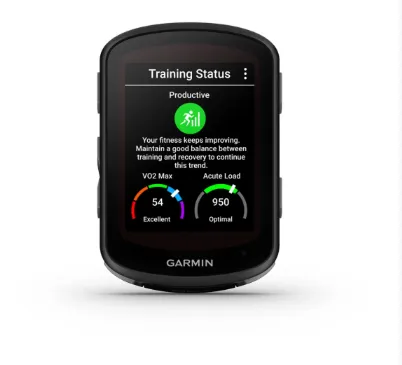
Weekend rides in Kenya can stretch from quiet estate loops in Nairobi to long climbs near Limuru, Ngong Hills and the Rift Valley escarpment. A smartphone clipped to the handlebars rarely survives that kind of day, because glare, battery drain and rough tarmac all work against it. A dedicated bike computer solves those problems with a bright screen, reliable navigation and days of battery life. This guide explains what matters most when choosing one, from mapping and battery endurance to training features and the budget you are working with.
Start With the Kind of Rides You Actually Do
Before comparing specifications, be honest about your typical weekend. A rider who covers eighty kilometers on tarred roads has different needs from someone exploring murram tracks around Naivasha or joining a club sportive. Consider ride length, how often you navigate unfamiliar routes and whether you train with structure or ride for pleasure. Casual riders can skip advanced coaching tools, while racers and endurance fans benefit from detailed performance metrics. Writing down your usual distance, terrain and goals gives you a clear filter that prevents you from paying for features you will never open.
Battery Life Decides How Far You Can Go
Battery endurance matters more than most riders expect, especially on all-day outings where charging is impossible. Solar charging can extend runtime noticeably when you ride under open skies, which describes most Kenyan weekends. The Garmin Edge 540 Solar is a strong example, offering extra hours in sunlight while keeping the size compact and the price near KSh51,900 excluding VAT. Always compare the stated battery figures with real conditions, since navigation, bright screens and connected sensors reduce endurance. Pick a unit that comfortably outlasts your longest ride plus the commute to the start.
Maps and Navigation You Can Trust on Unfamiliar Roads
Good navigation turns an unknown road into an easy adventure. Look for preloaded maps, turn-by-turn guidance and the ability to load routes from popular planning apps. Rerouting is valuable when a road is closed or a bridge is out, which happens often during the rainy season. Touchscreens help with quick zooming, but physical buttons remain useful when your gloves are wet or dusty. A responsive map display also lets you check elevation ahead, so you can pace a climb properly instead of burning your legs too early.
Training Features Worth Paying For
Modern bike computers do far more than record distance. Useful training tools include power-based workouts, recovery advice, climb previews and estimates of how ready your body is for hard effort. If you ride with a power meter, these insights become sharper and more personal. Riders who simply enjoy scenic routes may never need that depth, and paying extra for it makes little sense. Focus on features you will use weekly, such as structured workouts, segment alerts and ride summaries that sync quickly to your phone after you finish.
When a Premium Model Makes Sense
Some riders want everything in one device, and that is where a flagship earns its price. The Garmin Edge 1050 brings a large bright touchscreen, strong battery life and advanced mapping, with the bundle version around KSh94,300 excluding VAT. It suits serious road cyclists, gravel explorers and anyone planning multi-day tours across the country. The larger display also helps older eyes read data fields at a glance. If your riding is occasional, a simpler unit will serve you well, but heavy users often value the comfort and clarity on every single ride.
Sensors and Accessories That Complete the Setup
A bike computer becomes more useful when paired with the right sensors. Speed and cadence sensors cost around KSh7,500 each and add accuracy when GPS signals drop under trees or inside tunnels. A heart rate strap helps you manage effort on long climbs, while a rear radar light improves safety on busy highways. Do not forget a sturdy handlebar mount and a spare charging cable for trips away from home. Budget for these extras early so your final setup works smoothly from the very first ride.
Conclusion
Choosing a bike computer becomes simple once you match the device to your riding habits, battery needs and budget. Think about distance, terrain, navigation and the training tools you will genuinely use, then add sensors that improve safety and accuracy. Compare a few models side by side before deciding. Test the screen size and button layout if you can, and confirm warranty support before paying. You can browse genuine Garmin cycling computers, accessories and current prices at gpsstoreke.com, where the team also offers setup help and guidance for riders across Kenya.