
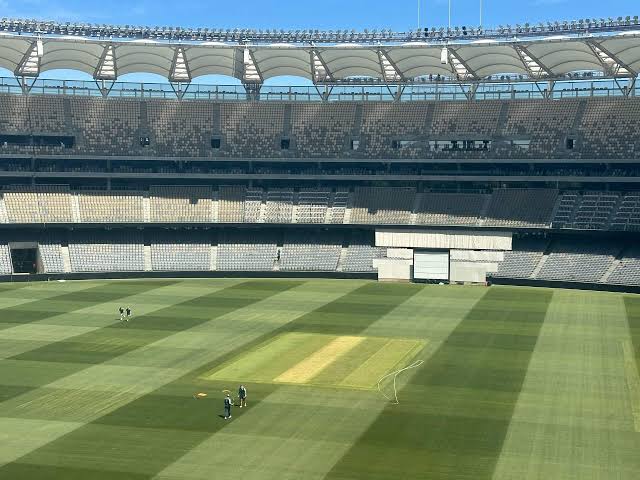
Cricket facilities need to accommodate repeated batting, bowling and training while maintaining predictable playing characteristics. For schools, community clubs and training facilities, maintaining a natural wicket for frequent use is not always practical. Cricket pitch turf provides an alternative that can support regular play while reducing the preparation associated with traditional turf wickets.
In Australia, synthetic pitches are particularly useful in locations where facilities need to maximise availability for training, junior cricket and community use throughout the season.
The Surface Influences the Ball
The interaction between a cricket ball and the pitch can influence pace, bounce and spin. This means synthetic cricket surfaces cannot be treated as ordinary artificial grass.
Different yarn constructions and surface characteristics can create different playing responses. The right cricket pitch turf should therefore be selected according to its intended use rather than appearance alone.
A school practice pitch, community cricket wicket and heavily used training net may each place different demands on the surface. Professional specification helps ensure the chosen system provides suitable performance for the level and frequency of play.
Built for Repeated Training
One of the advantages of synthetic cricket surfaces is their ability to support regular use. Training nets can experience a high concentration of activity in relatively small areas, with bowlers and batters repeatedly using the same zones.
A durable synthetic surface provides a consistent playing area without the same preparation cycle required to maintain natural wicket grass. This can help clubs and schools make greater use of limited sporting infrastructure.
Regular maintenance is still required. Cleaning, inspections and attention to heavily used areas can help maintain the pitch and identify any issues before they affect performance.
Handling Australia’s Variable Climate
Australia’s climate creates very different challenges depending on location. A cricket facility in tropical Queensland may face different conditions from one in Melbourne, Adelaide or regional New South Wales.
Quality cricket pitch turf should be selected with outdoor durability in mind. UV exposure, rainfall, drainage and temperature can all influence the long-term performance of sporting surfaces.
The construction beneath the synthetic turf is also important. A stable, correctly prepared base and effective drainage can help maintain a level, usable pitch throughout changing weather conditions.
Making Better Use of Sporting Space
Synthetic cricket pitches can be particularly valuable in schools and community sporting environments where facilities need to support large numbers of players.
A reliable practice surface can make it easier to schedule coaching sessions, junior development and regular training without placing additional pressure on a natural centre wicket. Synthetic systems can also provide an effective option for dedicated practice nets and community grounds.
For Australian facilities, choosing a cricket surface is ultimately about balancing playing performance with durability and usability. When the turf, foundation and installation are considered together, a synthetic cricket pitch can provide a consistent platform for developing skills and keeping more players on the field.